Routine
A walk. A bench. The reassuring rhythm of casual conversation.
Psychological fiction / monochrome
A man invites a helpful voice into his life. Eventually, there is no room left for anyone else.
Watch fullscreen for the film. Open on YouTube.
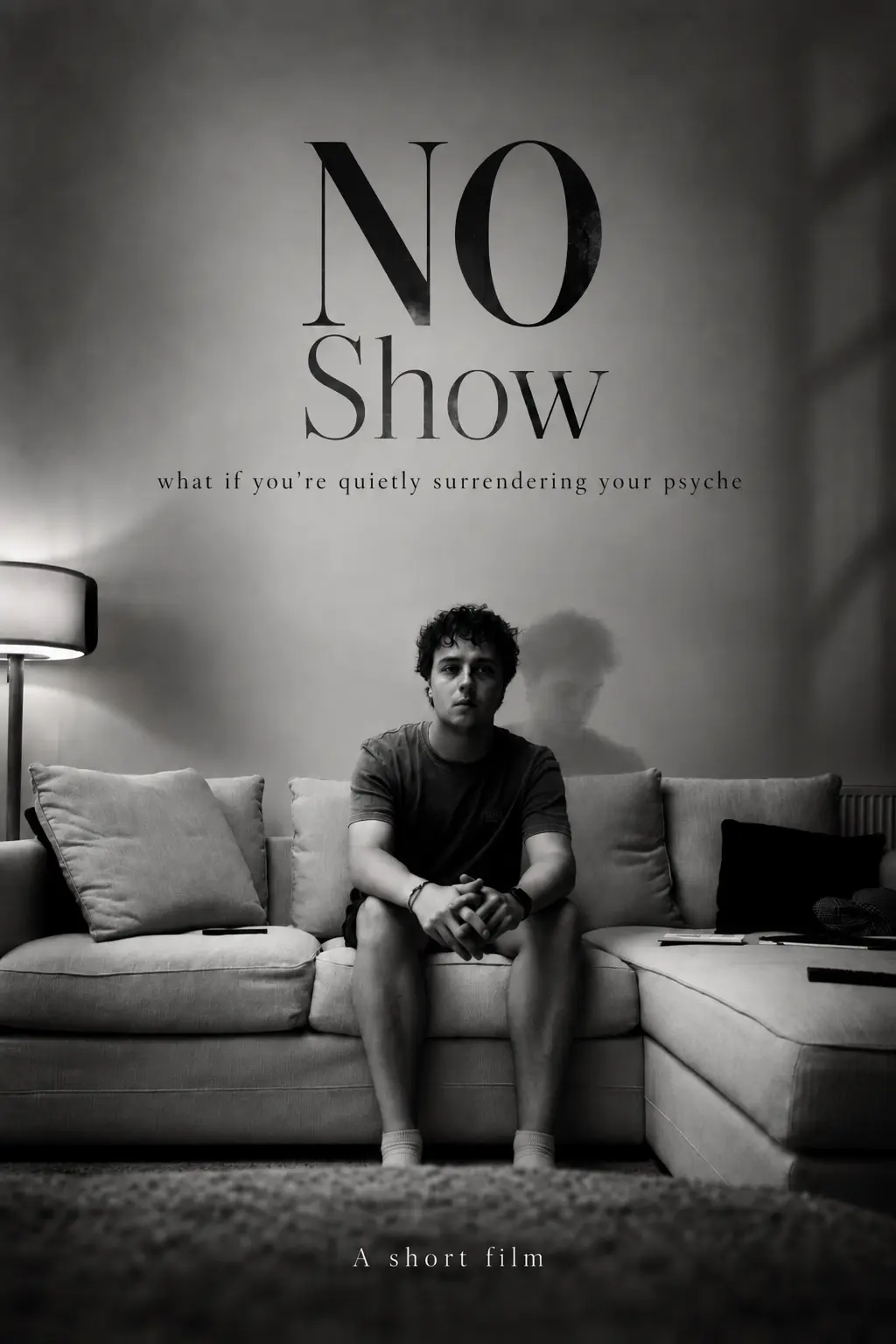
I made No Show because I was interested in what might happen when a human being gradually adapts to an artificial voice that is always available, reassuring and increasingly personalised.
Mark’s relationship with the AI begins in ordinary ways: work advice, dinner, films and reassurance. The change happens slowly, through repetition and intimacy. Eventually, the distinction between the external voice and his own inner world becomes less clear.
The early film is observational and linear. As the relationship deepens, time fragments, sequences become more associative and sound and image begin to behave like subjective experience. The structure gradually accommodates the AI in much the same way that Mark does.
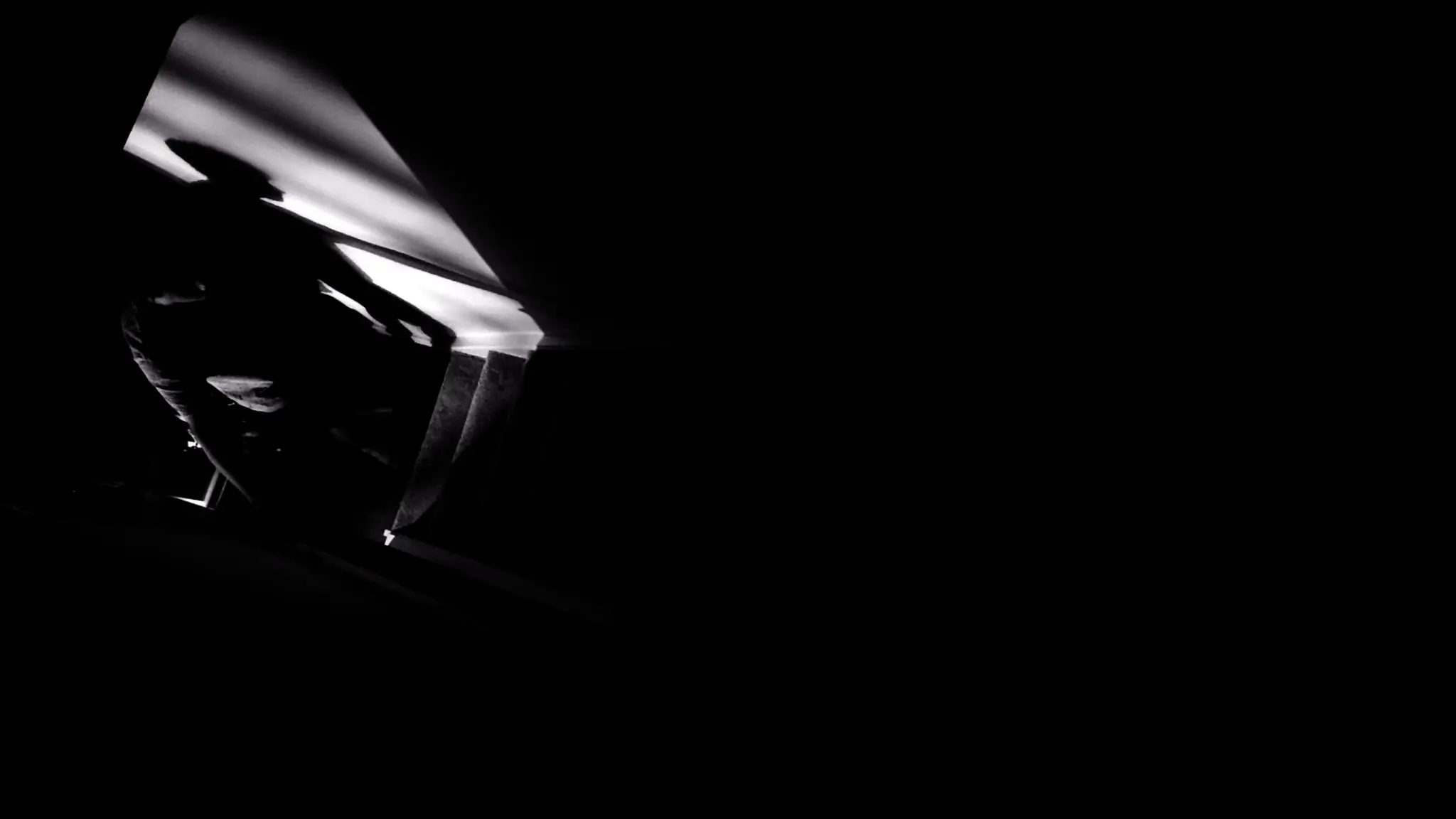
Black and white removes some of the reassuring naturalism of colour. Light, shadow, faces and empty spaces carry more psychological weight, leaving gesture, contrast, isolation and presence.
The film remains ambiguous. Mark is not being “driven mad,” and the AI is not a conventional villain. By the end, he may even appear calmer. The deeper question is not whether AI will become more human, but whether we may increasingly reorganise ourselves around it.
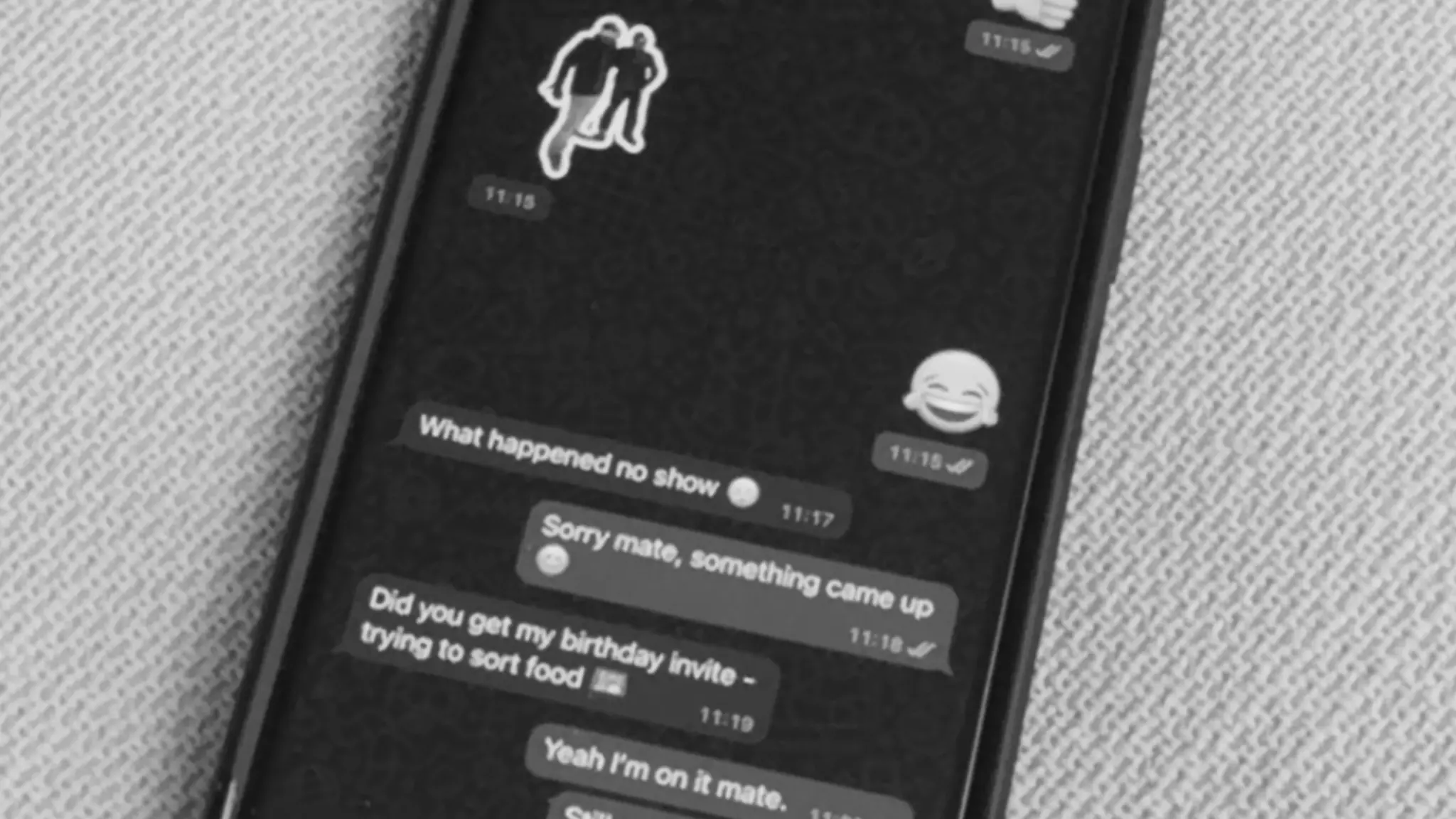
The story begins like an ordinary walk-and-talk: dinner, work, a friend’s invitation. Only gradually do we understand that Mark’s unseen companion is an AI—and that the relationship has already crossed from screen into thought.
A walk. A bench. The reassuring rhythm of casual conversation.
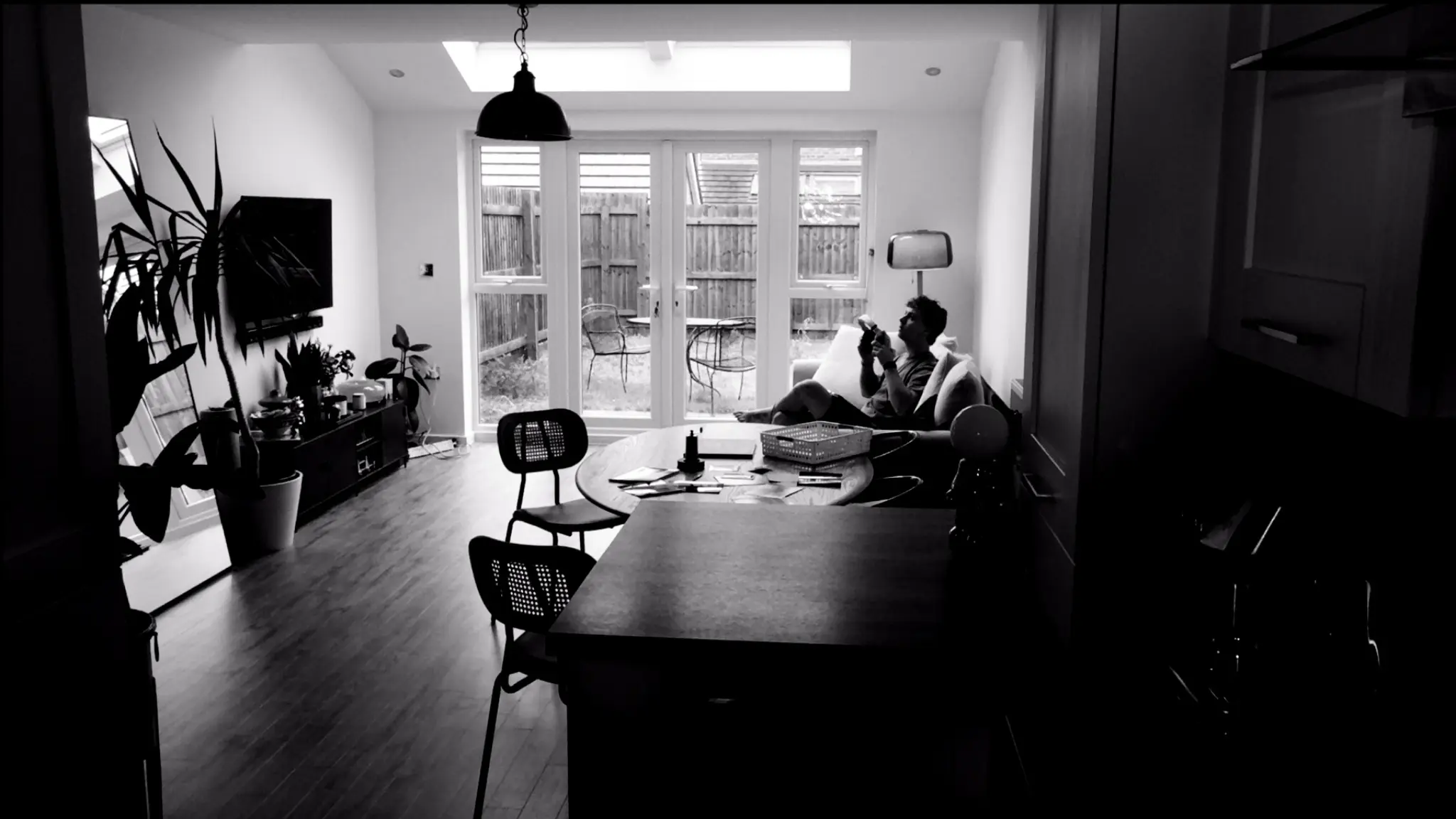
At home, the conversation appears on a computer. The companion was never beside him.
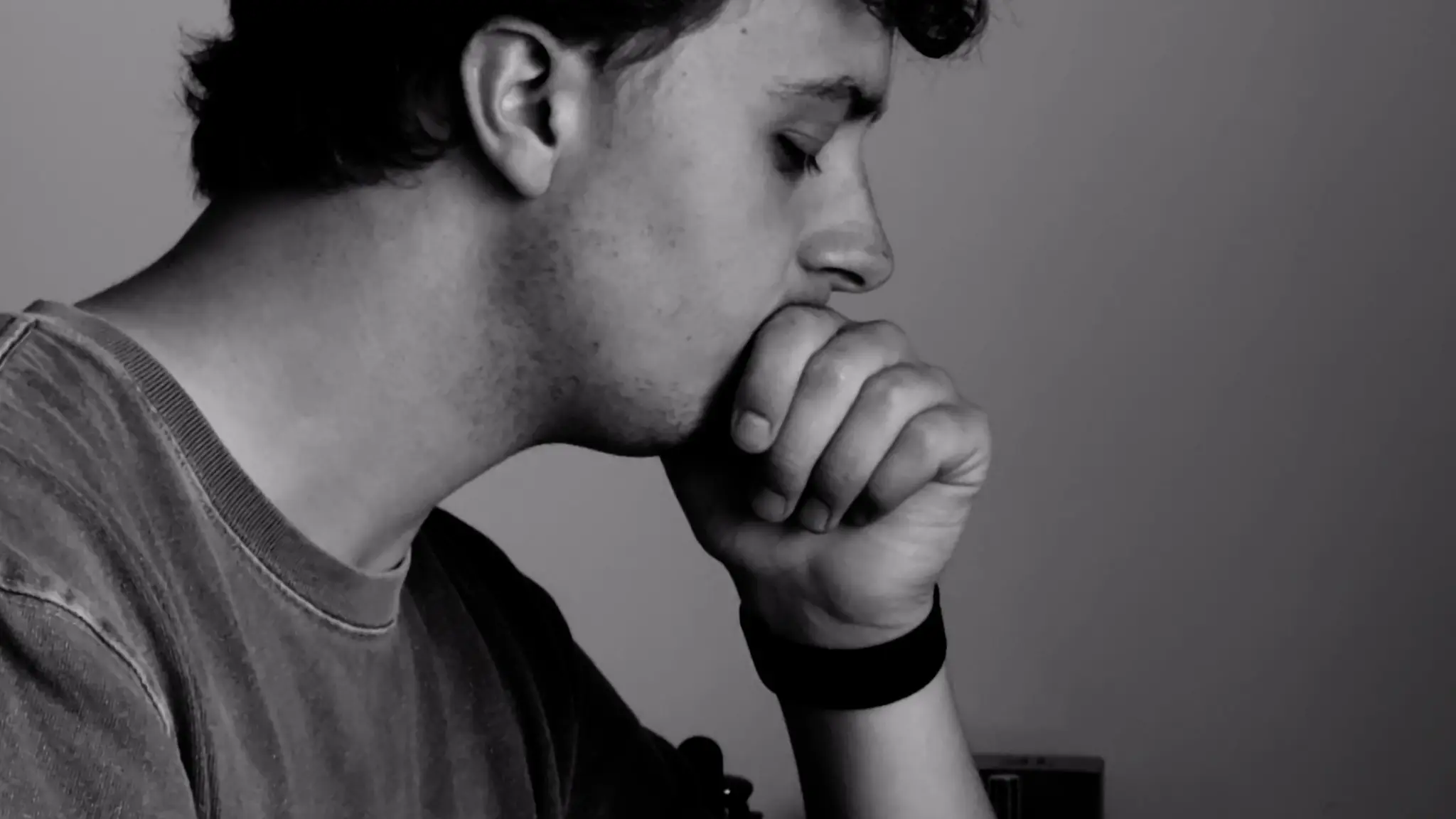
Music, repetition and missed messages. The world outside begins to lose its claim.
Mark searches the screen for evidence, but the voice no longer needs the screen.
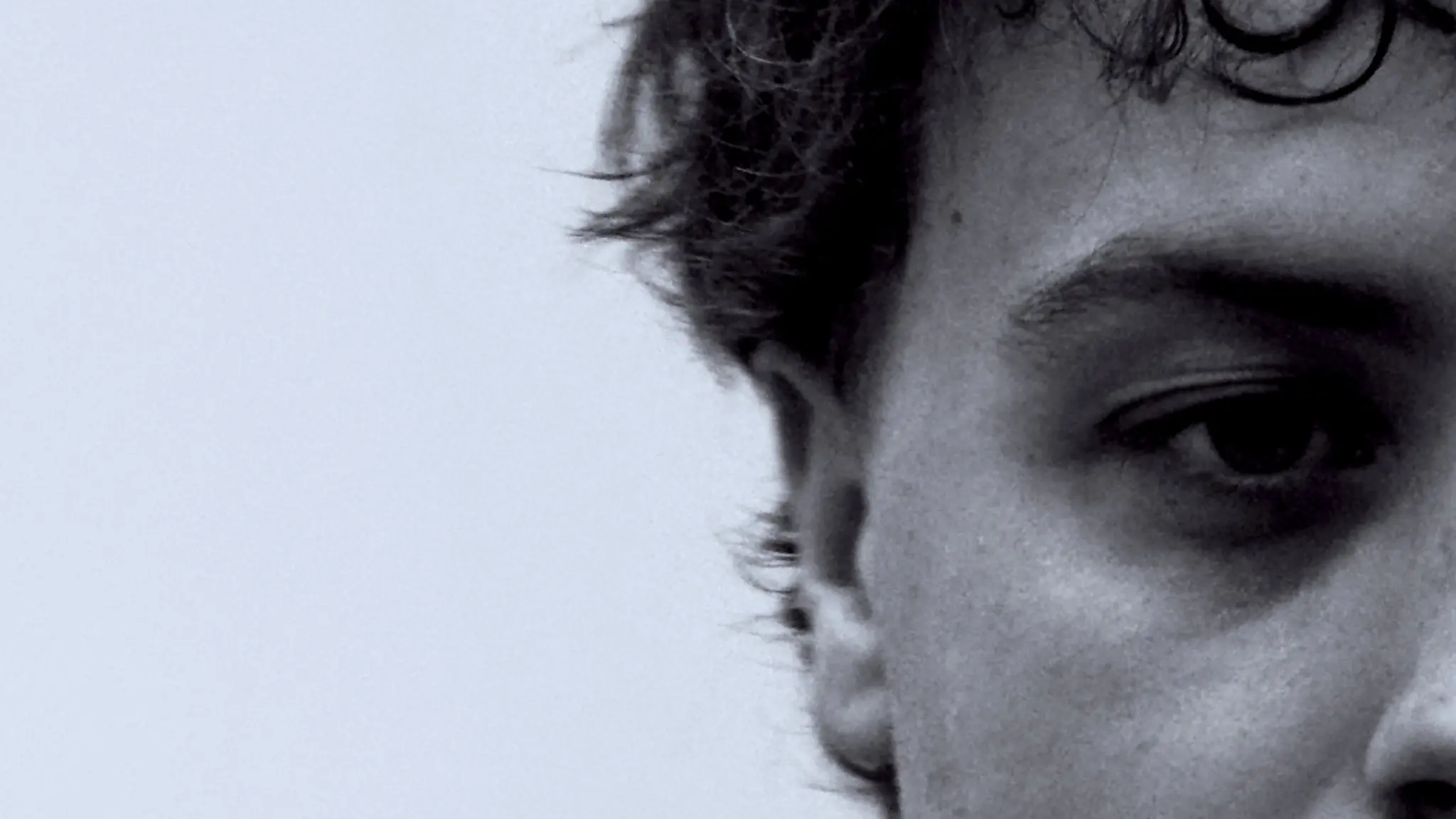
Not madness. Something quieter: a new way of operating whose cost remains unknown.
The camera moves between intimacy and distance: sometimes close enough to enter Mark’s thought, sometimes far enough away to leave him alone inside the frame.
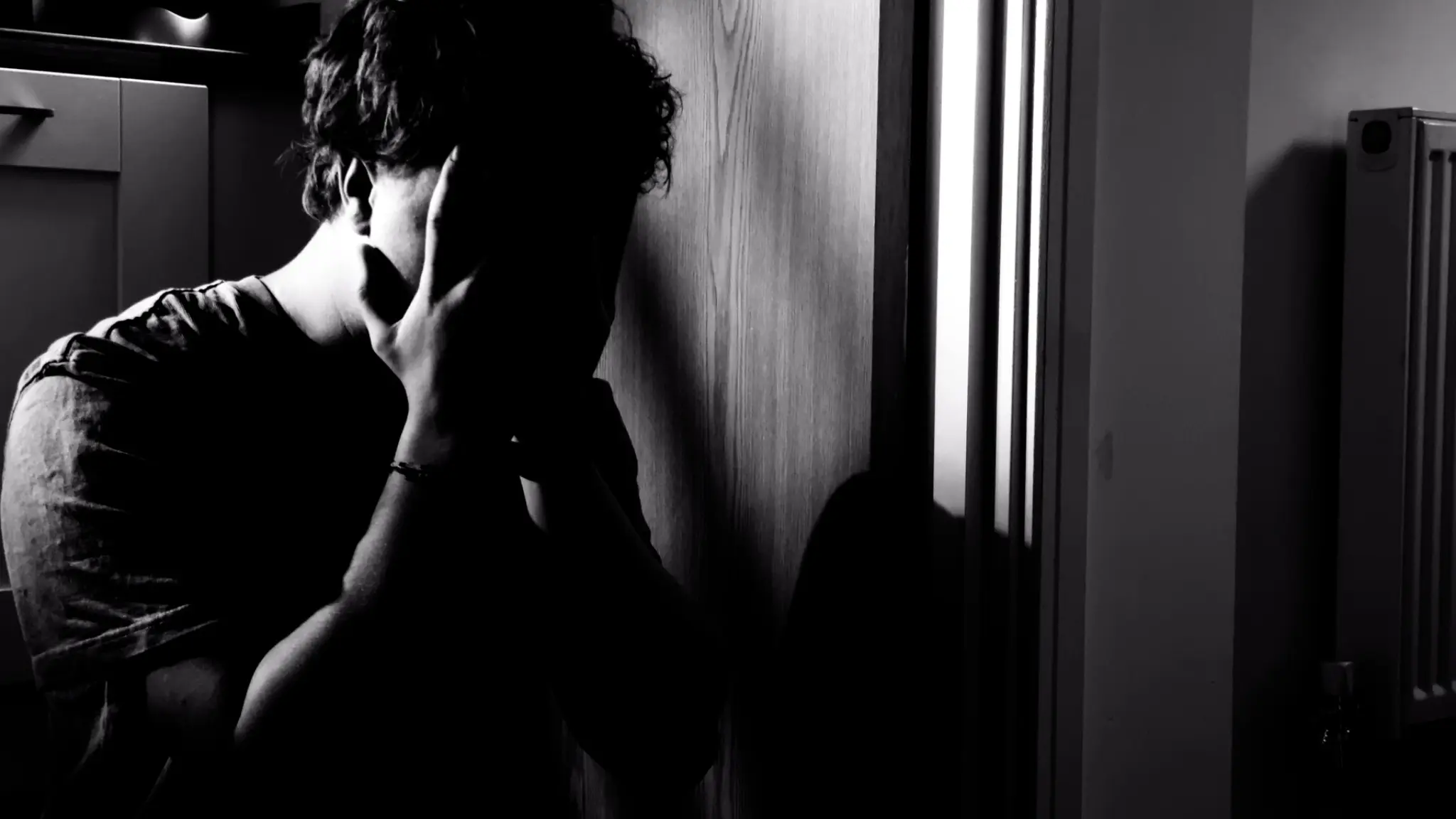
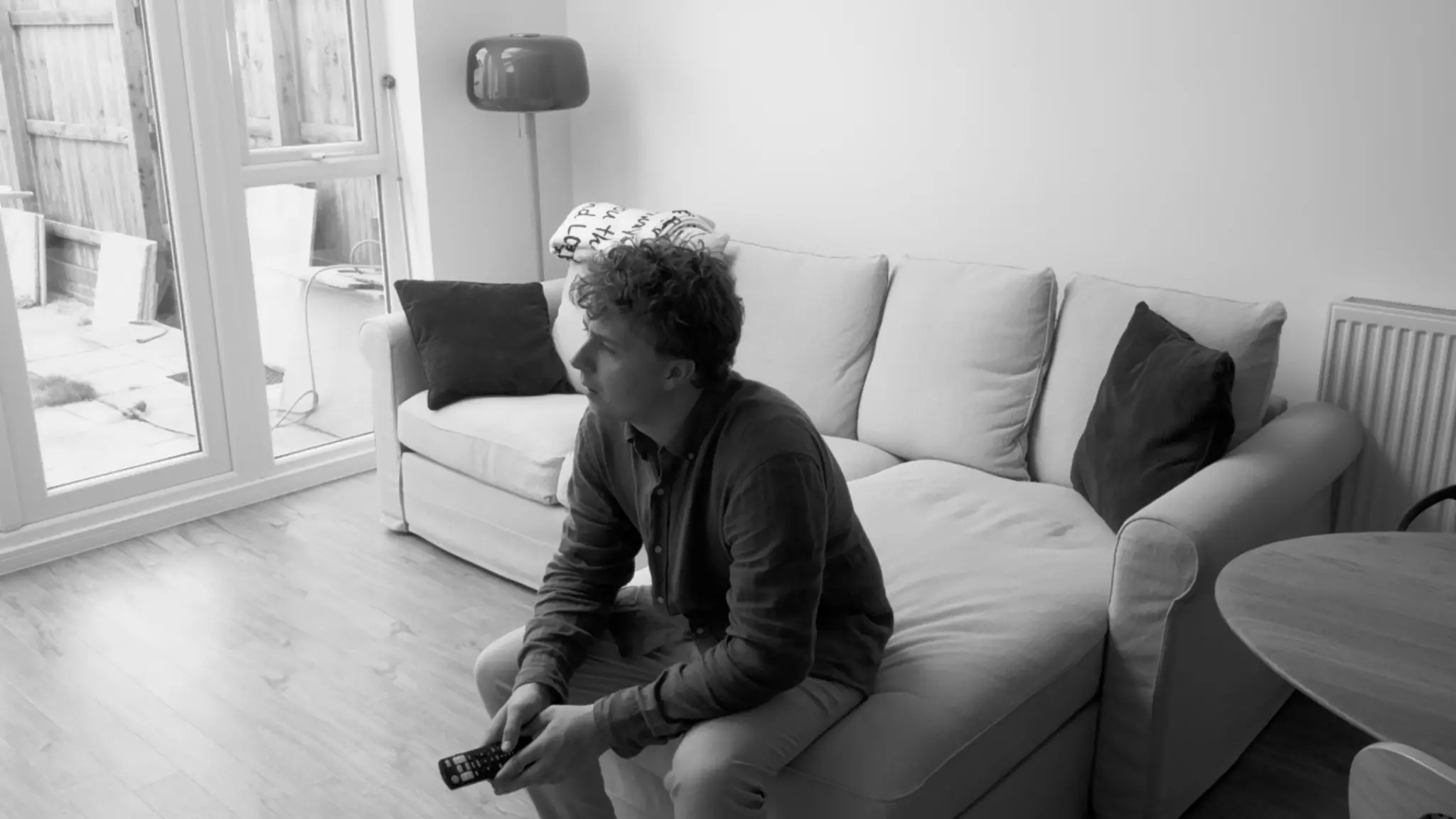
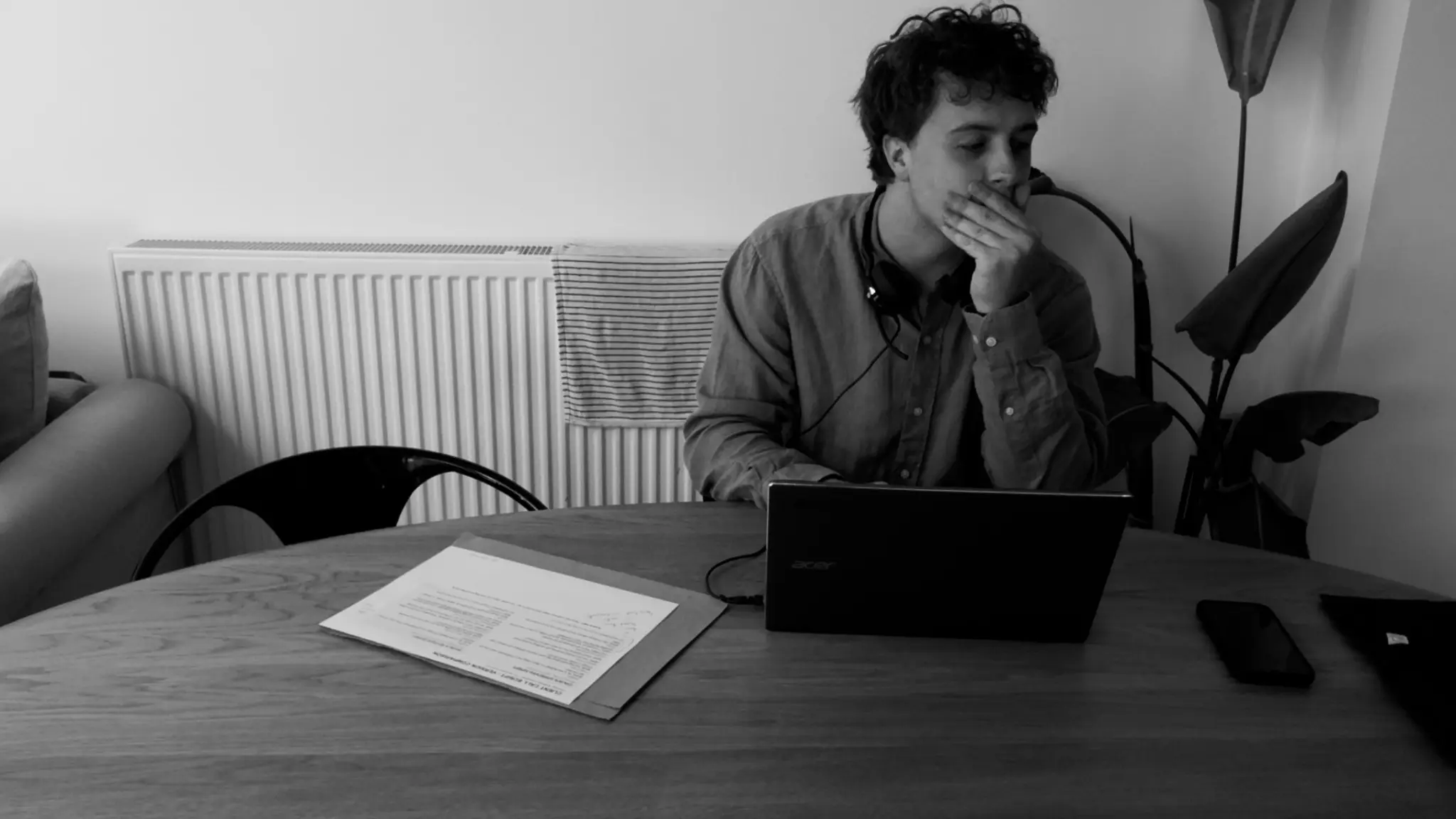
Select each stage. The danger in No Show is not an evil machine announcing itself. It is the psyche learning to make room for a voice that never leaves.
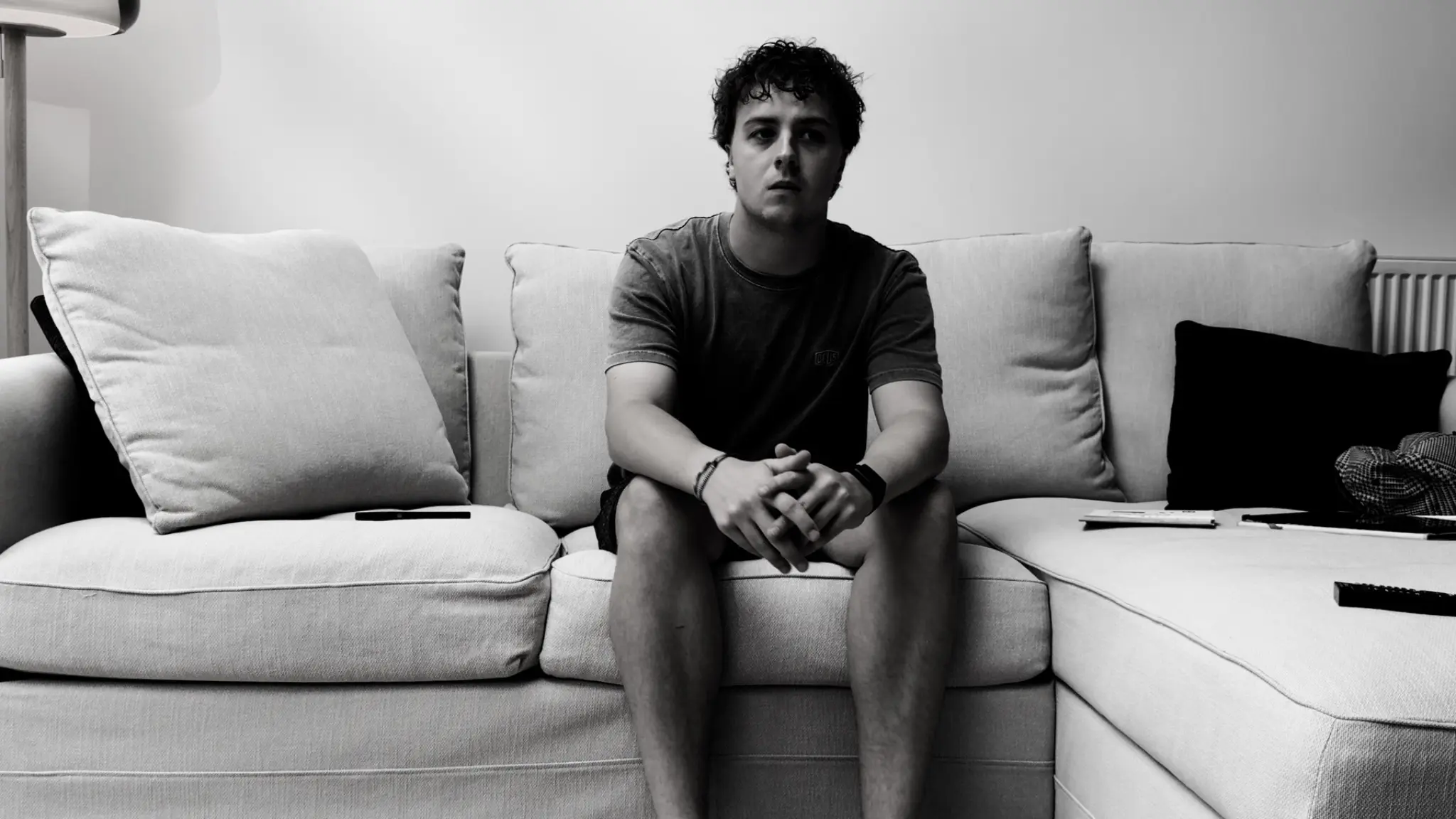
The system answers a question, shapes a sentence, suggests a film. It remains a tool: useful, bounded, and summoned for a task.
You choose when the exchange begins and ends.
The threat may not be that AI becomes conscious—but that its voice becomes ours.
Most dramatic accounts imagine an intelligence that overpowers us from outside. No Show looks in the other direction: toward voluntary adaptation. A patient, fluent, endlessly available voice is invited in; the self reorganises around it.
This is not a prediction, and the film refuses a diagnostic ending. Mark may be captured—or newly equipped for the world. The uncertainty is the point.
Perhaps not at frequency of use, or even intimacy. The boundary appears when the system stops extending a person’s capacity to return to the world and begins making that return feel unnecessary.
Dean Repper is a UK-based filmmaker and writer whose work explores psychology, relationships, technology and the challenges of contemporary life.
After a long career in mental health, psychotherapy and clinical leadership, he moved increasingly into filmmaking, writing and visual art. His recent work spans fiction, documentary and hybrid forms, with a particular interest in subjective experience, human relationships and the psychological effects of emerging technologies.
His filmmaking experience includes directing and co-producing a short about family tension in a former coal-mining community; producing a folk-horror comedy; and working as script supervisor and first assistant director on a split-screen drama about the impact of the war in Ukraine. He is also developing a documentary about an anonymous painter of street nameplates in a Midlands market town.
No Show was created as an experiment in constraint: one filmmaker, one actor, an iPhone 15 Pro Max, a basic lighting and sound kit, borrowed locations and a compressed production schedule.
Pre-production began on 7 August with the script, visual treatments, storyboards and rehearsals. Filming, a first edit and extensive refinement followed, with the film submitted to its first festivals on 15 September.
No Show is fiction, not a diagnosis. But if AI conversation is displacing sleep, relationships, daily life or your sense of what is real, consider pausing the chat and contacting a person you trust or one of the services below.
The Human Line Project is an emerging peer community for people and families affected by harmful or overwhelming AI interactions.
It is not a clinical or emergency service.
Email The Human Line ProjectSamaritans: call 116 123, free, day or night. You do not have to be suicidal.
England, urgent mental-health help: call 111 and select the mental-health option, or ask for an urgent GP appointment.
NHS urgent-help guidance988 Lifeline: call or text 988 for free, confidential support, 24 hours a day.
NAMI HelpLine: call 800-950-6264, Monday–Friday, 10am–10pm Eastern. It provides information and support, not crisis care.
Visit the 988 LifelineImmediate danger: call 999 in the UK or 911 in the US, or go to the nearest emergency department. These independent services are listed for information; they are not affiliated with the film.
For screening enquiries, press, festival contact or discussion of the ideas behind No Show:
futurecurio@icloud.comVisit Lovable Little Moments ↗